Your Olfactory Signature: How to Find the Scent That's Truly Yours
A perfume doesn't just smell good — it speaks for you before you enter the room.
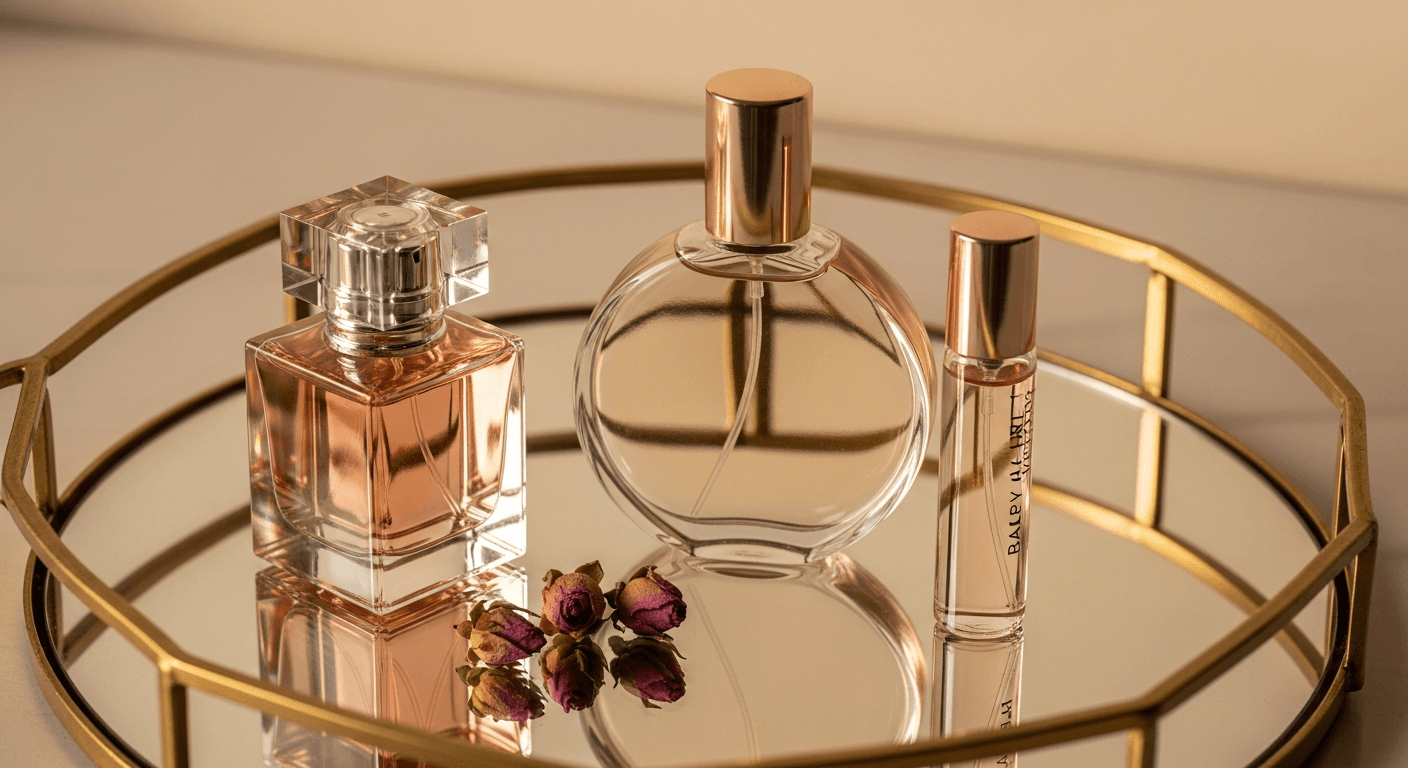
Choosing a signature perfume is one of the most personal decisions in beauty — more intimate than a lipstick shade, more revealing than a haircut. A fragrance becomes part of how people remember you. It can carry an entire emotional landscape: a relationship, a city, a version of yourself. That's a lot of weight for a bottle to carry. Here's how to find the right one.
Why Most People Choose Wrong
The biggest mistake in fragrance shopping is deciding too quickly, in a store, on a Saturday. The shop environment is overwhelming — dozens of strips, residual scents in the air, the pressure of a sales counter. Under those conditions, people almost always reach for something familiar, something safe, something they've smelled before.
But your signature scent is rarely the one that smells good on the strip. It's the one that smells right on your skin — because fragrance interacts with your body chemistry in ways that are genuinely unique. The same perfume smells different on different people.
“Your scent should arrive before you do and linger after you've gone. It's not decoration — it's presence.”
How to Actually Test a Fragrance
The only reliable test is time. When you're genuinely interested in a fragrance, ask for a sample and wear it for a full day. Notice how it opens on your skin (the top notes, which fade quickly), how it settles in the middle (the heart), and what it becomes hours later (the base). A fragrance that smells amazing in the first ten minutes but becomes sharp or sour after four hours is not your scent, regardless of how the opening felt.
Test one fragrance at a time, on skin, over several days. It's slow, but it's the only method that works.
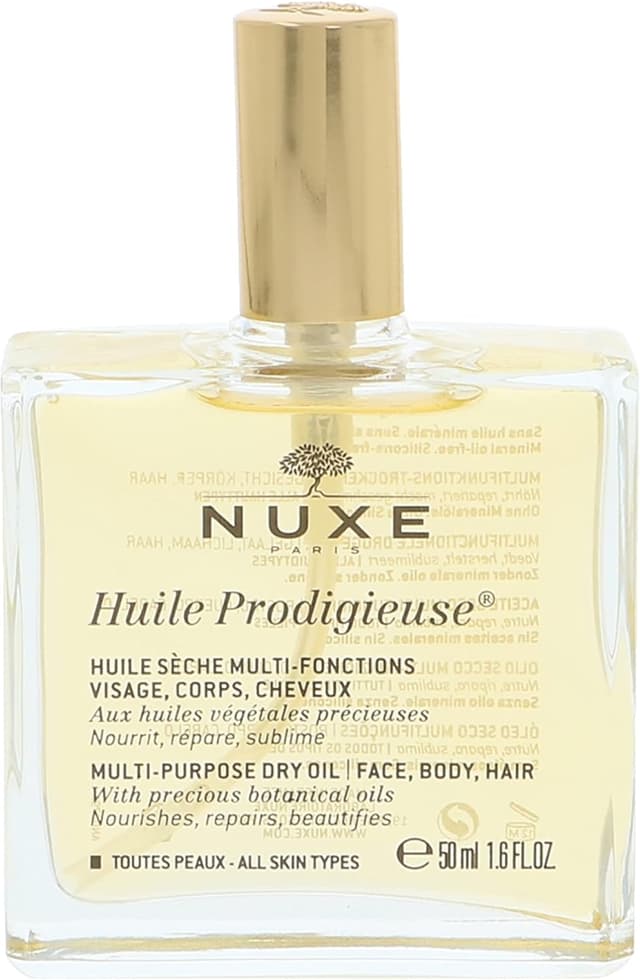
Nuxe Huile Prodigieuse
The iconic dry oil blending 6 precious oils: nourishes face, body and hair without an oily film, signature scent.
Building Versus Finding
Some people find their signature scent immediately — one fragrance, worn for decades. Others build a wardrobe: a lighter fragrance for day, a deeper one for evening, a seasonal rotation. Neither approach is better. The question is whether you're someone who values consistency (a recognizable signature) or variety (fragrance as a mood).
If you're starting from nothing: begin with the family that already shows up in your home — in candles, in the products you reach for. If you love lavender candles and cedar products, start there. Your instincts have already told you something important.