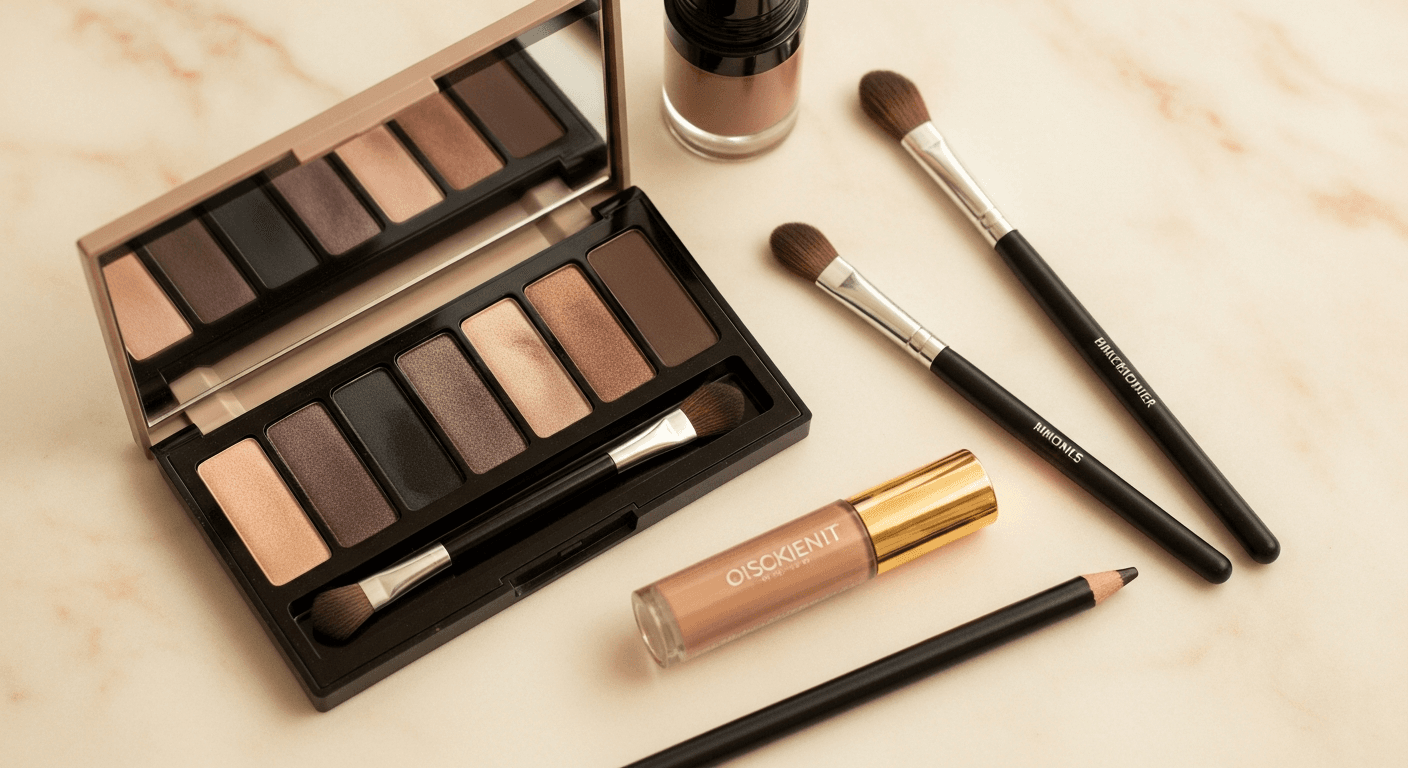
The Best Eyeshadow Colors for Your Eye Color
Choosing eyeshadow to match your eye color changes everything. The complete guide by eye shade.
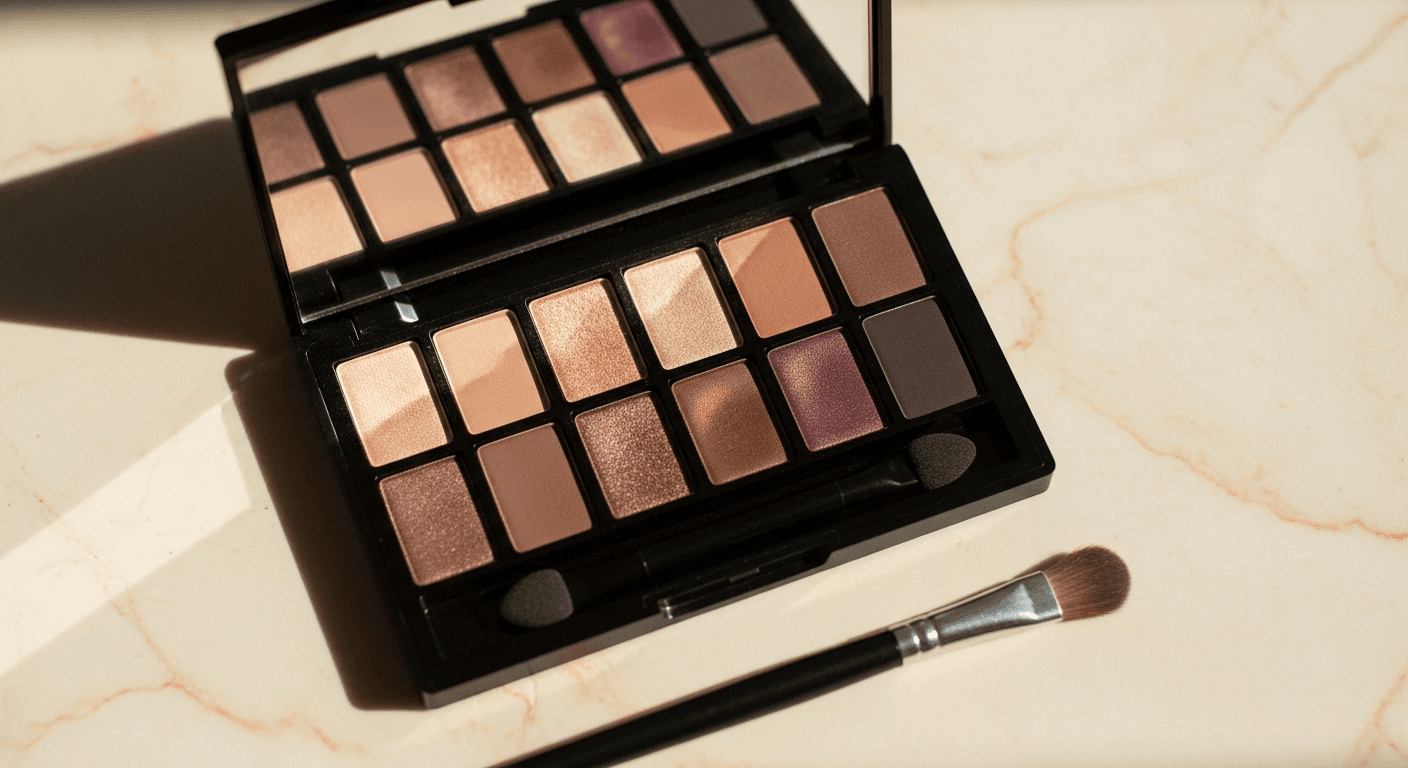
Choosing eyeshadow to complement your eye color means understanding how complementary colors work. This isn't abstract theory — it's what explains why certain palettes make your eyes look striking where others make them disappear.
Green and Hazel Eyes: The Shades That Reveal Them
The complementary color of green on the color wheel is red-violet. That means plum, burgundy, eggplant, and deep rose tones make green eyes pop in a way that neutral shades simply cannot. A plum shadow in the crease over green eyes creates an instantly dramatic effect.
Golden and bronze tones also work beautifully: they warm up the eye and bring out the amber flecks that are often present in green and hazel eyes. For an editorial look, pairing burgundy on the lid with gold in the inner corner on green eyes gives a particularly elegant, modern result.
“The right eyeshadow for your eye color doesn't complete your look — it reveals it.”
Blue and Grey Eyes: Playing with Contrast
The rule for eyeshadow on blue eyes is simple: warm, earthy tones create the most flattering contrast. Golden browns, terracottas, coppers, and russets make blue eyes pop with an intensity that cool-toned shadows (greys, blues) simply can't achieve. It's counterintuitive but incredibly effective.
Grey eyes are the most versatile — they reflect surrounding colors and adapt to almost any eyeshadow. Purple and lavender shades create a particularly sophisticated effect on grey eyes, bringing out their cool blue-toned undertones.
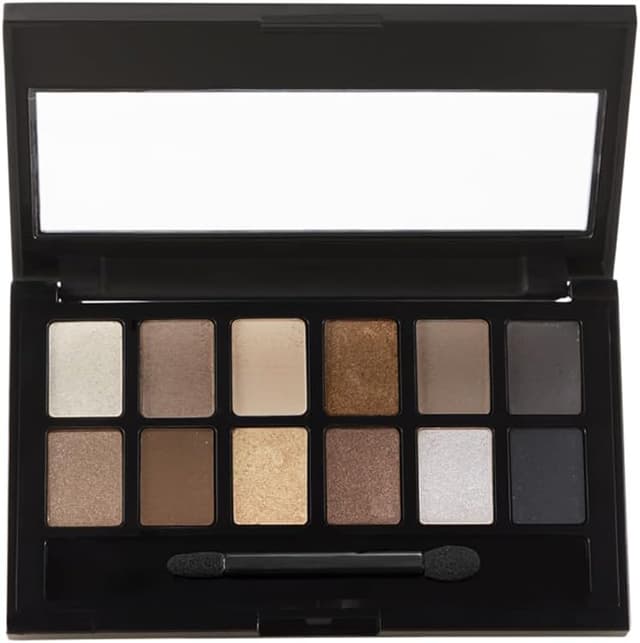
Maybelline The Nudes — 12 shades
12 nude shades for everyday wear: matte, satin, glossy. The versatile beginner palette — from casual nude to soft smoky.
Brown and Dark Eyes: The Most Freedom
Brown eyes have the luxury of working with virtually everything. Golden and bronze tones warm and deepen the gaze, intense blues create dramatic contrast, mauves add mysterious depth. The only real mistake for brown eyes is a shade too close to the iris: a shadow the same color as your eye color flattens the eye without creating dimension.
For very dark eyes, saturated, deep colors — emerald, cobalt blue, intense violet — work especially well because they create the contrast needed to make the eye stand out. Light, pearlescent shadows on the mobile lid make the dark iris pop and enlarge the eye naturally.